History―
A thousand years,
flowing onward
Passing on the culture
and traditions nurtured here
since the Enryaku era.
Manshuin, past and future.
and traditions nurtured here
since the Enryaku era.
Manshuin, past and future.
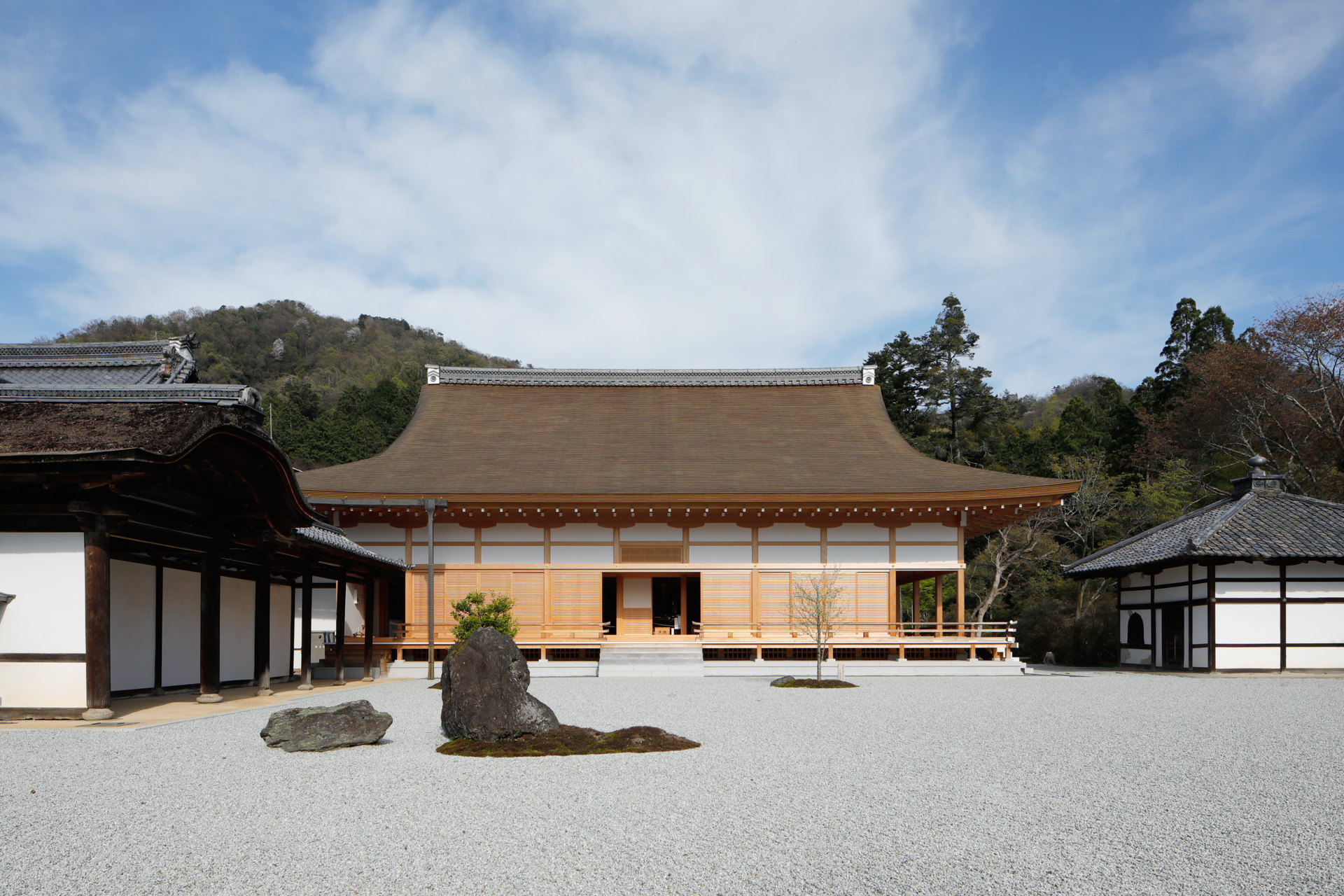
Manshuin Monzeki is one of northern Kyoto's most distinguished temples.
Monzeki denotes a temple whose head priests came from the Imperial Family.
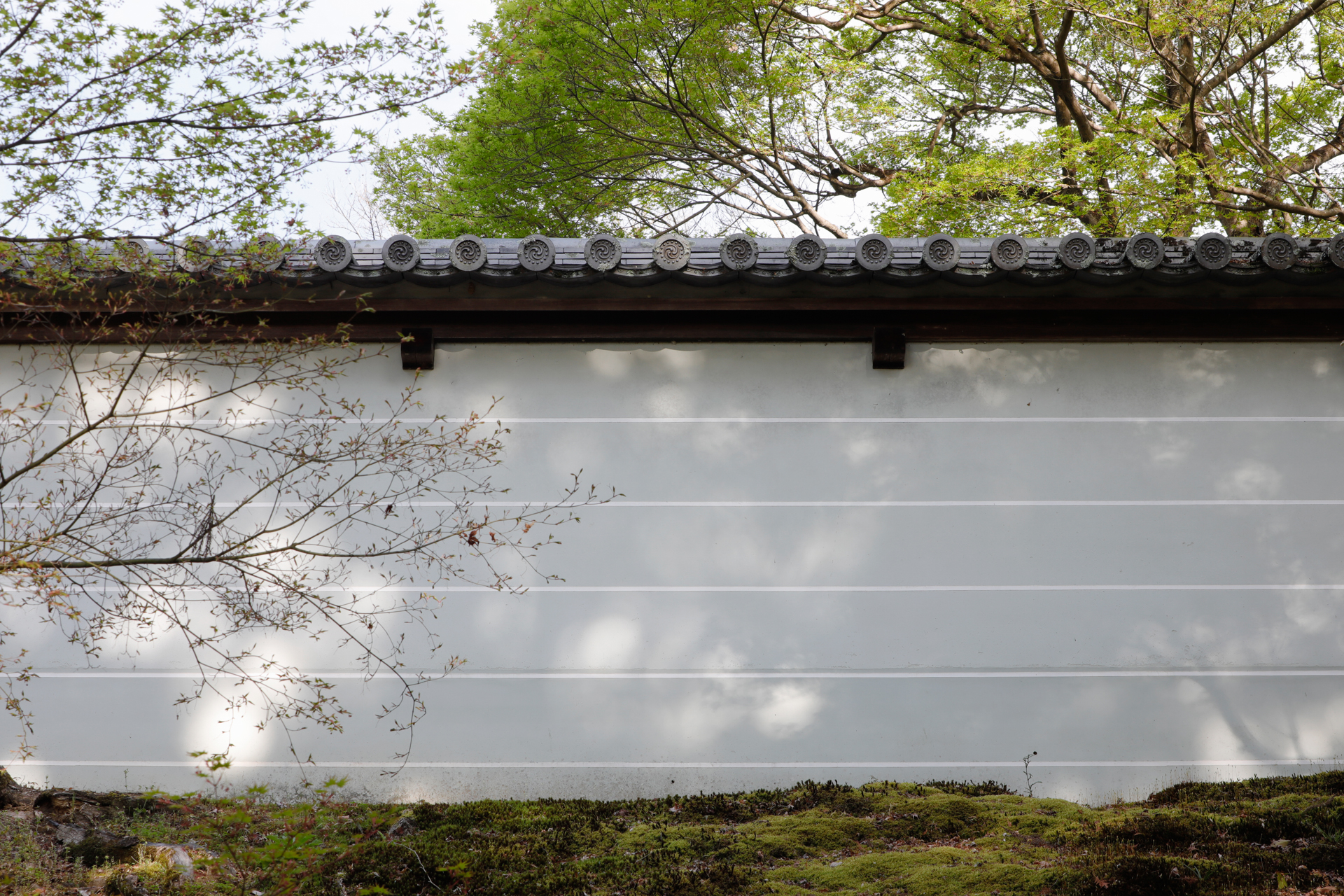
The five white stripes on the walls flanking the Chokushimon Gate still attest to this rank.
Manshuin began during the Enryaku era (782–806), when Dengyo Daishi Saicho, founder of the Tendai school, established a place of prayer for the protection of the nation on Mount Hiei.
When Kitano Tenmangu Shrine was built during the Tenryaku era (947–957), Zesan Kokushi, who was born into the Sugawara family, was appointed its first betto, or administrator. Manshuin continued to hold this office for some 900 years, until the Meiji Restoration.
A branch temple was built in Kitayama during the Tennin era (1108–1110) to administer Kitano Tenmangu, and was later moved to the court nobles' quarter within the Imperial Palace. In 1656, Imperial Prince Ryosho—the second son of Imperial Prince Hachijonomiya Toshihito, founder of Katsura Imperial Villa—entered the temple and rebuilt it at its present site. This became the Manshuin seen today.
When Kitano Tenmangu Shrine was built during the Tenryaku era (947–957), Zesan Kokushi, who was born into the Sugawara family, was appointed its first betto, or administrator. Manshuin continued to hold this office for some 900 years, until the Meiji Restoration.
A branch temple was built in Kitayama during the Tennin era (1108–1110) to administer Kitano Tenmangu, and was later moved to the court nobles' quarter within the Imperial Palace. In 1656, Imperial Prince Ryosho—the second son of Imperial Prince Hachijonomiya Toshihito, founder of Katsura Imperial Villa—entered the temple and rebuilt it at its present site. This became the Manshuin seen today.
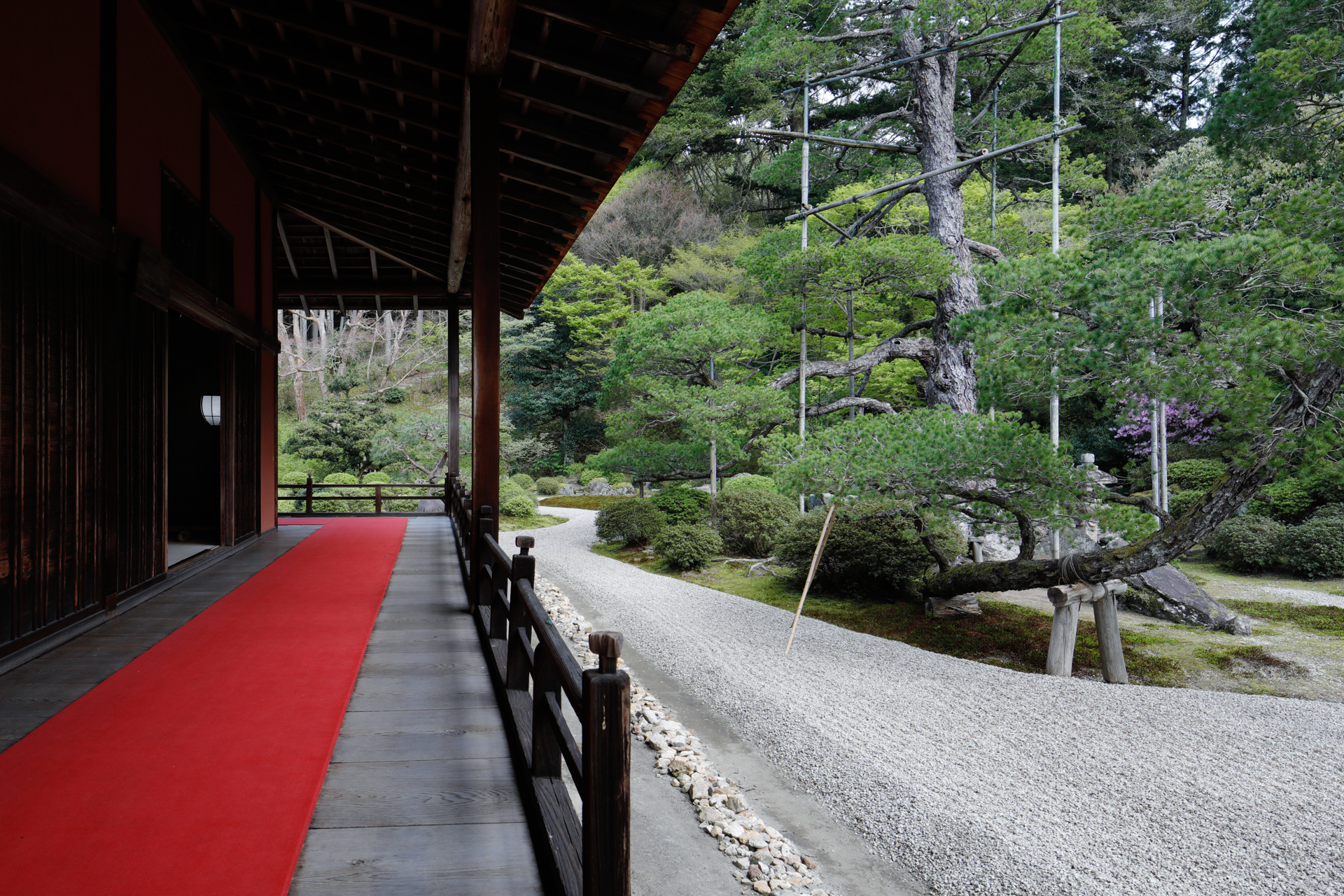
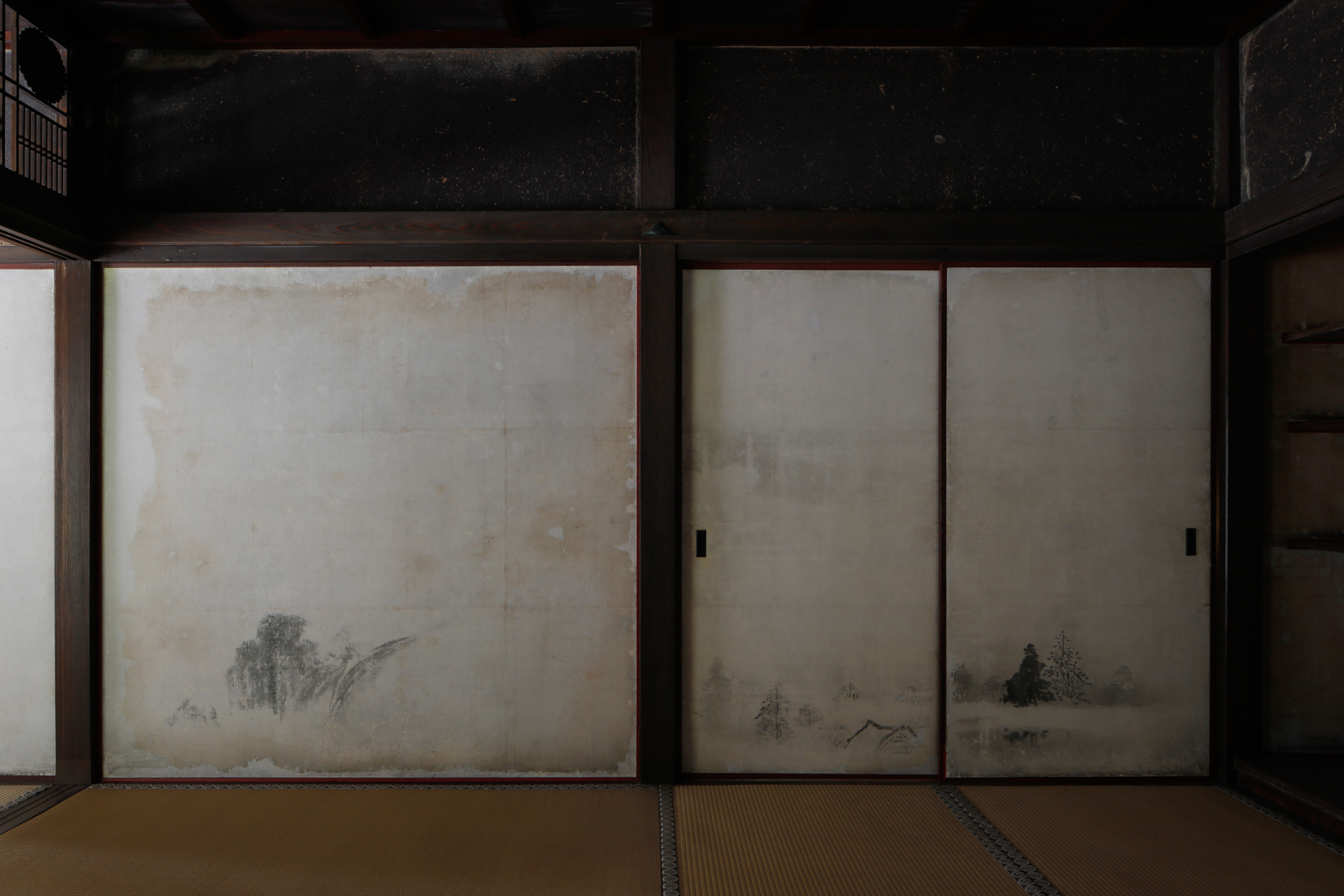
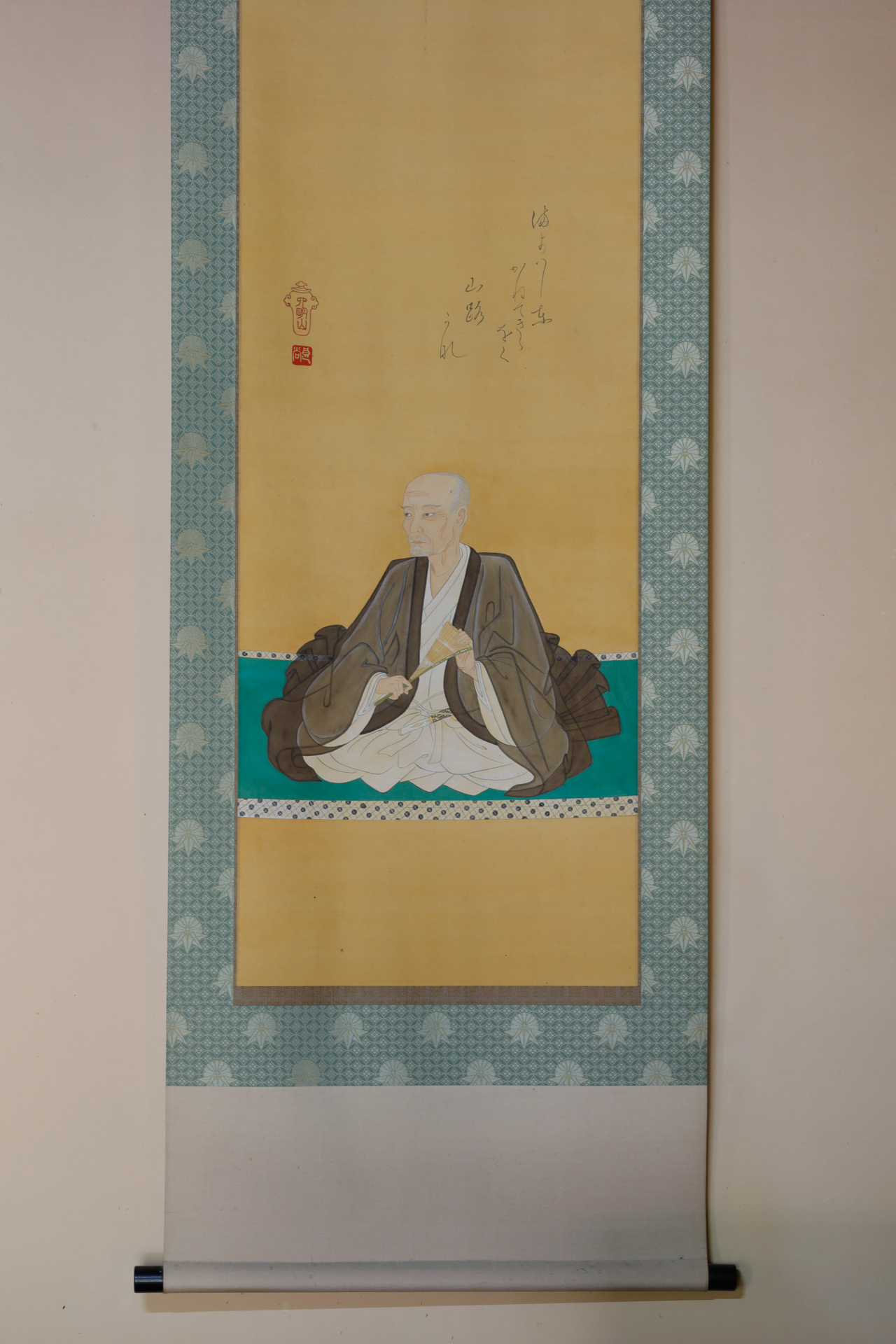
Imperial Prince Ryosho was a nephew of Emperor Go-Yozei and a cousin of Emperor Go-Mizunoo. Manshuin was built with advice from his elder brother, Imperial Prince Toshitada, who is said to have completed Katsura Imperial Villa. Like the villa, Manshuin employs the golden ratio, then widely admired in Europe. The refined, airy O-shoin and Ko-shoin are regarded as outstanding surviving examples of sukiya-style shoin architecture, alongside the New Palace at Katsura Imperial Villa and the Kuro-shoin at Nishi Hongwanji Temple.
Princess Umenomiya, a sibling of Imperial Prince Ryosho, married Ryodo Sojo, who built the Kuro-shoin at Nishi Hongwanji.
Princess Umenomiya, a sibling of Imperial Prince Ryosho, married Ryodo Sojo, who built the Kuro-shoin at Nishi Hongwanji.
Wabi
Finding spiritual fulfillment in simplicity, austerity, and imperfection
Sabi
Sensing depth and richness in quiet solitude
Finding spiritual fulfillment in simplicity, austerity, and imperfection
Sabi
Sensing depth and richness in quiet solitude
Beauty within the unsightly, dignity within the humble
Abundance within poverty, savor within the unpalatable, joy within hardship
Imperial Prince Ryosho was a person of culture who lived here at Manshuin in a world shaped by the beauty of wabi and sabi.
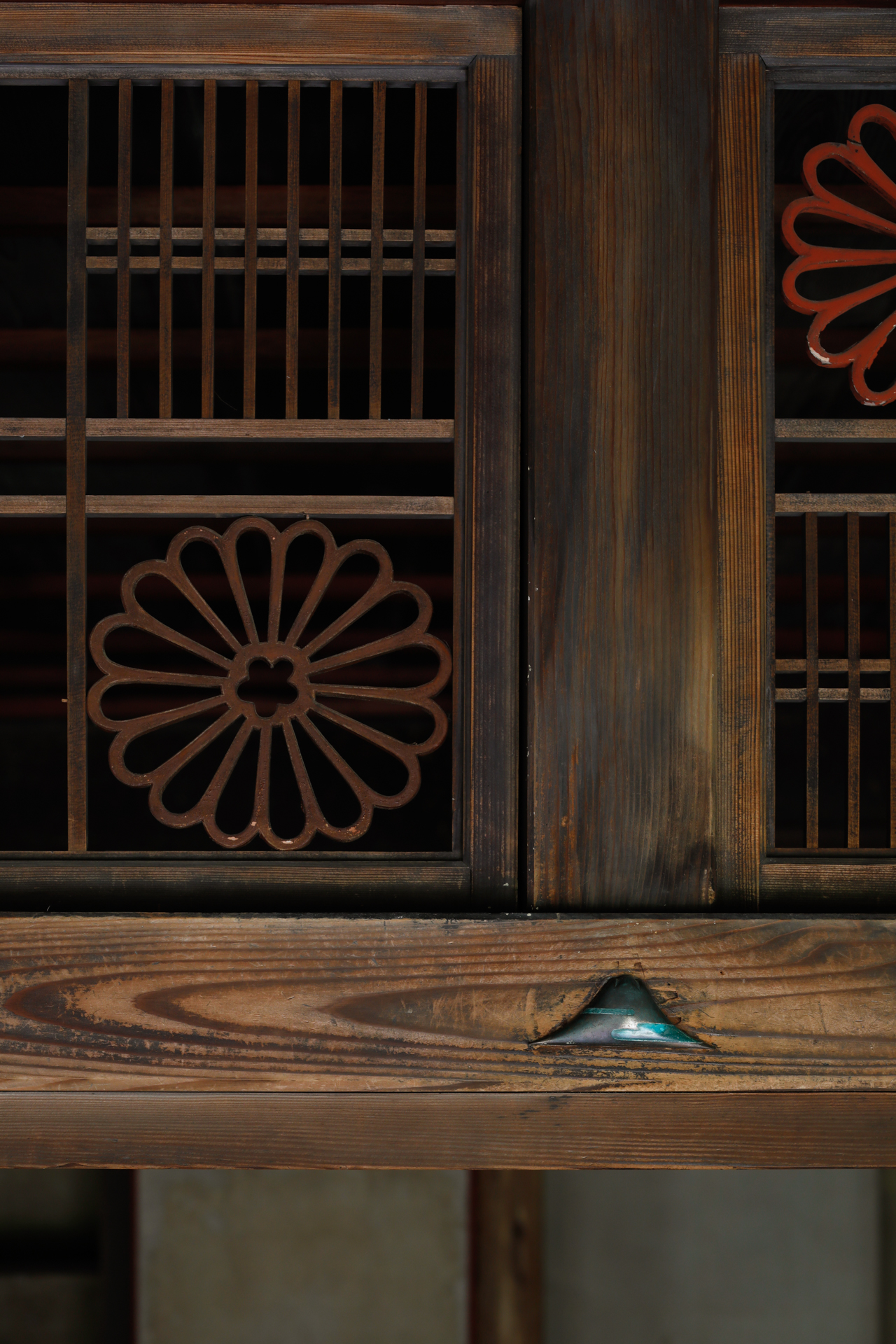
The shoin's decorative nail covers, door pulls, and transoms share motifs with Katsura Imperial Villa and were made by workshops of the same tradition. For this reason, Manshuin is sometimes called a "small Katsura Imperial Villa."
The shoin's decorative nail covers, door pulls, and transoms share motifs with Katsura Imperial Villa and were made by workshops of the same tradition. For this reason, Manshuin is sometimes called a "small Katsura Imperial Villa."
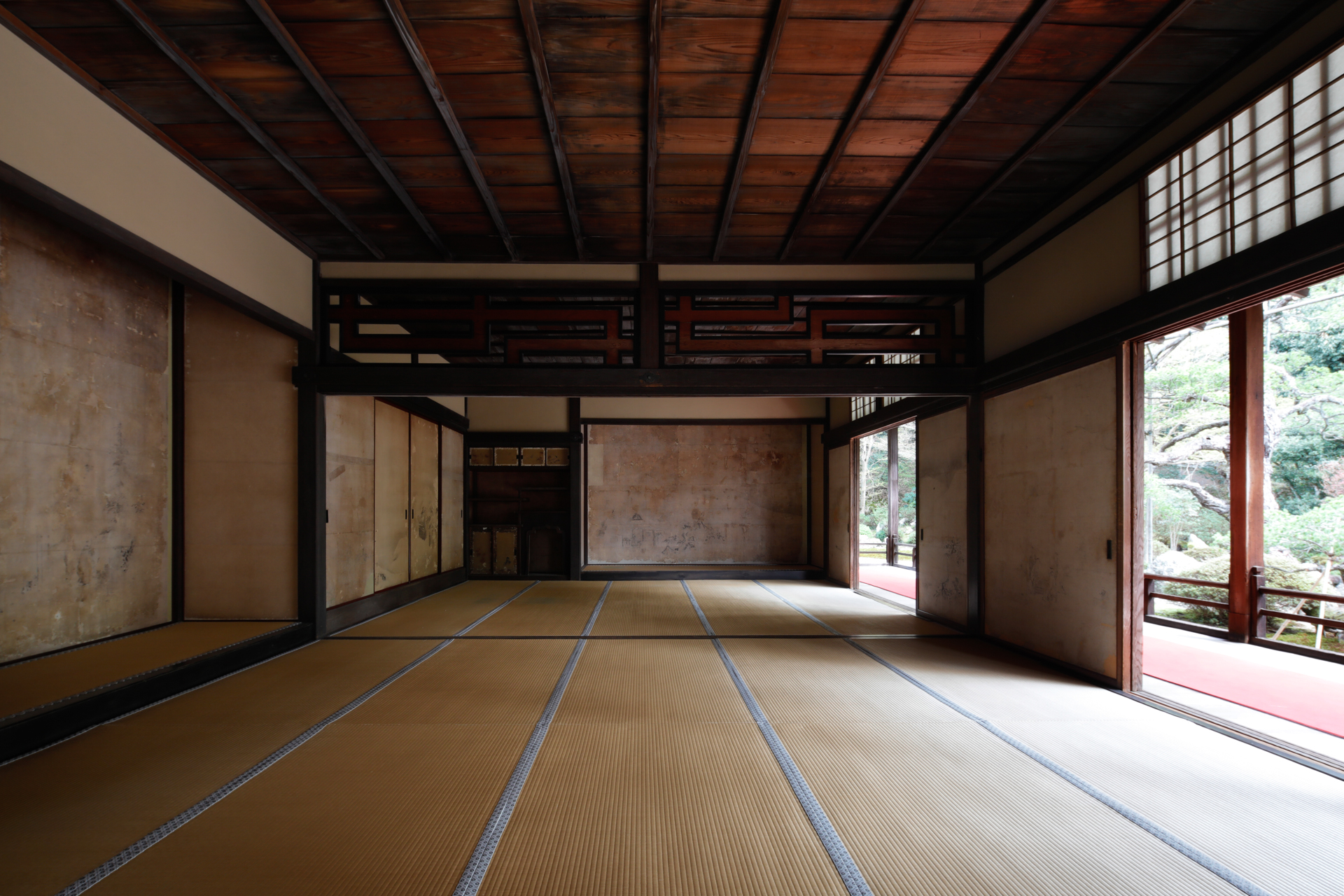
Unlike the gardens of warrior residences or other temples, the shoin garden reflects the taste of the court nobility. In his travel essays Kaido o Yuku, Ryotaro Shiba wrote: "Court culture was fostered in the Toyotomi and Momoyama periods and came into bloom in the early Edo period. Katsura Imperial Villa and Manshuin mark the maturity and conclusion of the Momoyama aesthetic." Manshuin has welcomed many members of the Imperial Family, including the retired Emperor Go-Mizunoo and Emperor Reigen; in more recent times, the Crown Prince, Prince and Princess Akishino, and Prince and Princess Hitachi; and in 2012, the Emperor and Empress.